Regenerative Hospitality Retreat : Capacity building with 700’000 heures Impact and Dar Ahlam for independent hoteliers

regenerative hospitality retreat 2

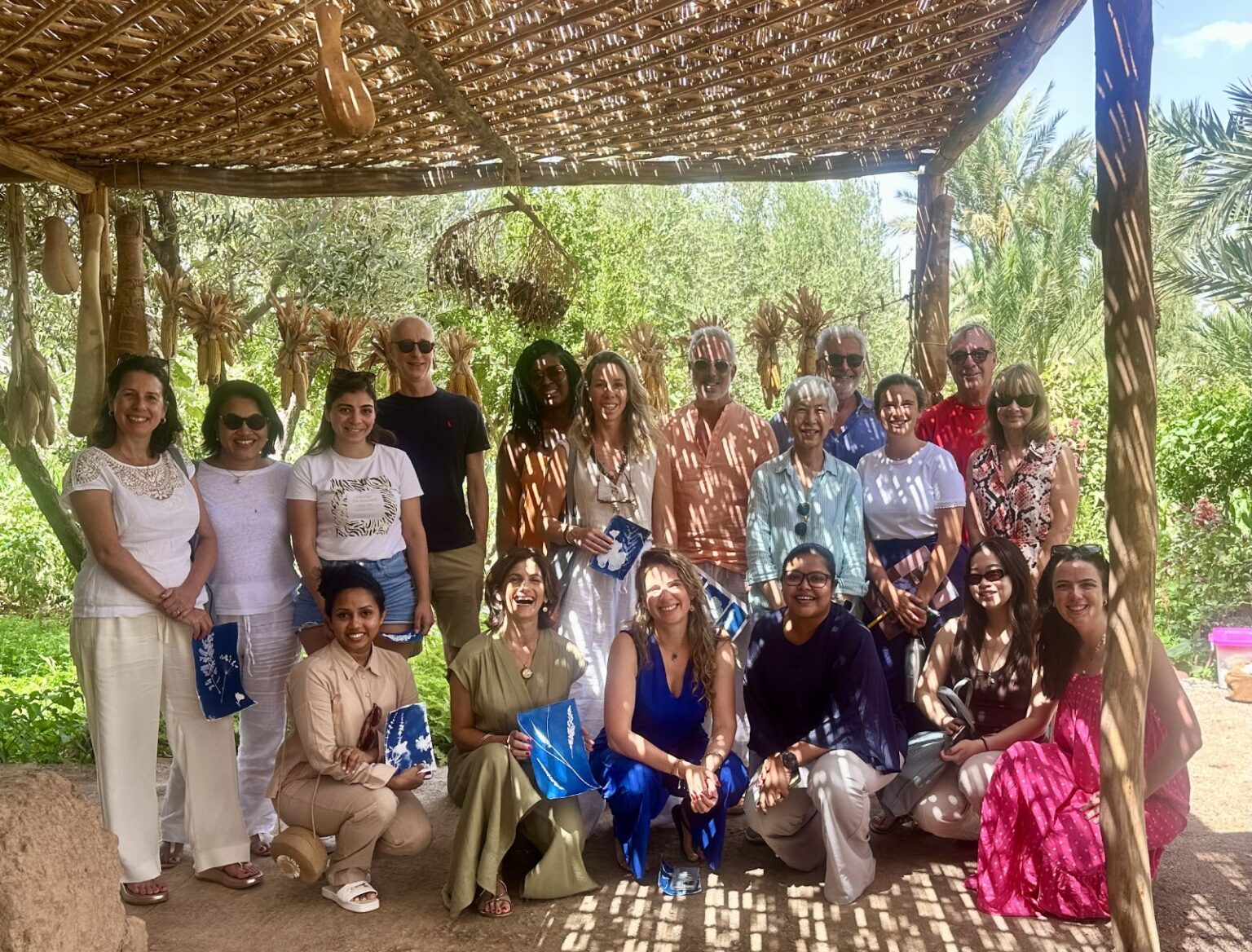
Regenopolis partnered with Dar Ahlam to design and co-lead an immersive capacity-building retreat on regenerative hospitality independent hoteliers. Through a tailored one-day program and a 60-page workbook, selected hotel leaders were introduced to the mindset, tools, and frameworks needed to move beyond sustainability and embrace regeneration as a strategic pathway. The retreat fostered personal reflection, peer learning, and actionable strategies to support transformation across the SLH network.

Challenge

In a time of mounting environmental and social pressures, boutique hotels are seeking new ways to differentiate themselves beyond conventional sustainability certifications. Many independent hospitality leaders feel the urgency to respond meaningfully to climate change, biodiversity loss, and shifting guest expectations—yet lack the frameworks, language, and confidence to lead this transformation. The challenge: how to empower these actors to become pioneers of a regenerative future?

regenerative hospitality retreat 4

How Regenopolis helped

Approach

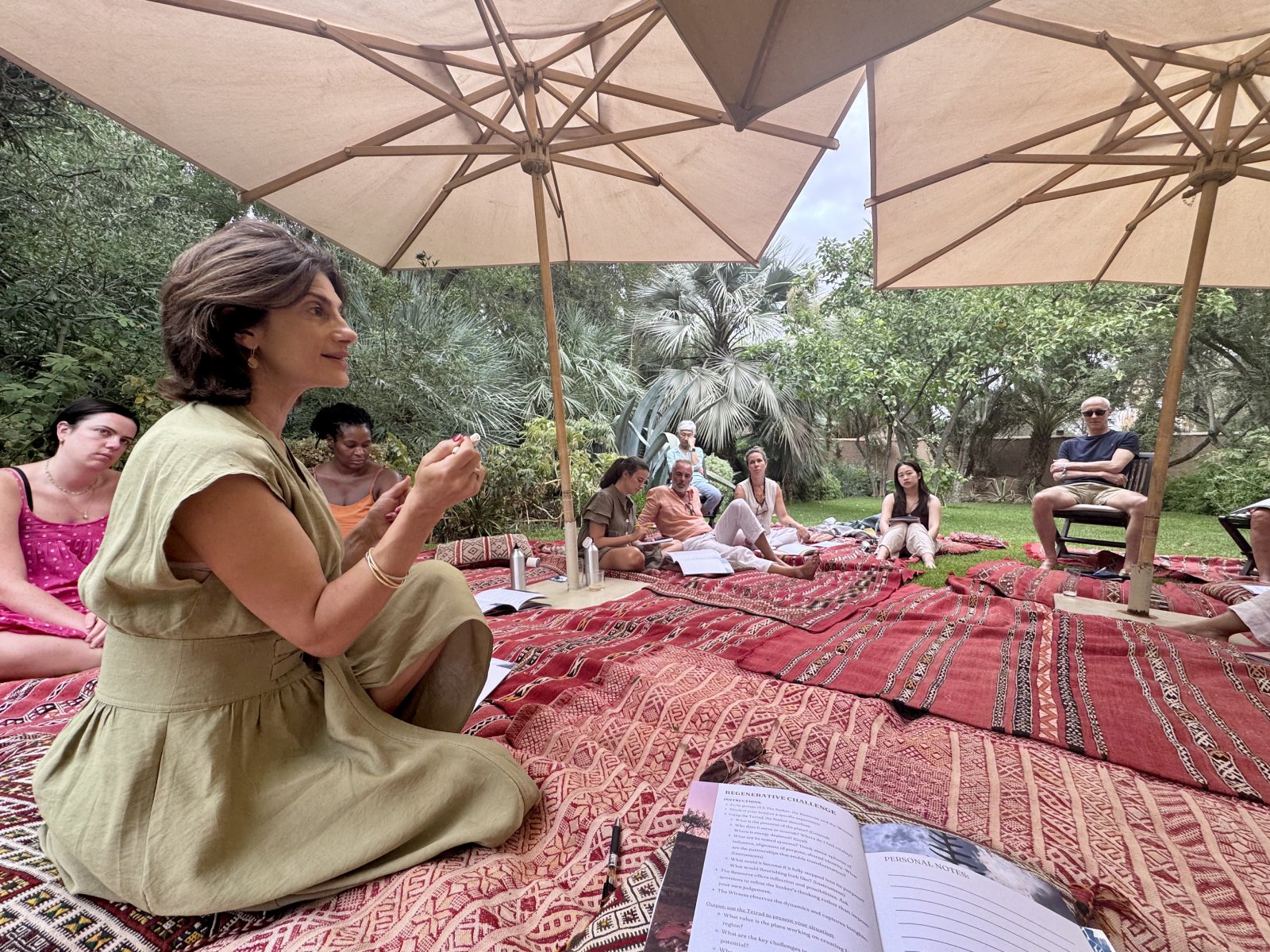
In partnership with Dar Ahlamn, Regenopolis designed and facilitated a full-day Regenerative Hospitality Retreat in Morocco for Small Luxury Hotels (SLH). This immersive training combined experiential learning, mindset-shifting conversations, and hands-on tools drawn from systems thinking and regenerative development. The retreat was structured around a custom-designed 60-page workbook, equipping participants with clear concepts, self-assessment tools, strategic frameworks, and reflective prompts.

The program helped participants:

  • Understand the core principles of regenerative hospitality and why it goes beyond sustainability;
  • Explore emerging trends in travel and tourism through a regenerative lens;
  • Apply 8 practical tools to real hotel challenges – such as the Regenerative Canvas, Stakeholder Ecosystem Mapping, and the Regenesis Institute Tetrad for place-based regeneration;
  • Deepen their inner leadership capabilities to support systems change;
  • Participate in peer-led Challenge Labs to surface and explore regenerative opportunities.

regenerative hospitality retreat 1

Our partners

Our impact

The project resulted in significant outputs and outcomes

regenerative hospitality retreat 3

Case studies

1. estatuas

Ibiti Projecto

Ibiti Projecto is a socio-environmental project focused on another way of inhabiting the planet, respectful and regenerative. Here, immersive and authentic hospitality serves a wider project: rewilding of 6,000 hectares, reintroduction of endangered species, sustainable production of organic food and the revival of a rural community. Premium eco-tourism experiences are transformative both to the travelers and to the place). Ibiti Projecto is a testimony that authentic place-based development can generate measurable social and environmental impact as well as financial returns.

Read this case study

alliance for the ggw 2

The Alliance for the Great Green Wall

Launched in January 2023 at the World Economic Forum in Davos, the Alliance for the Great Green Wall was a bold initiative spearheaded by Regenopolis. It aimed to create a collaborative platform of mission-aligned organizations to unlock the untapped potential of regenerative value chains across the Sahel, by directly supporting ecopreneurs and linking them to global markets. The Alliance sought to become a service ecosystem bridging local regenerative efforts with global capital, expertise, and corporate demand.

Read this case study

unlocking pathways for land restoration in the sahel 2

Unlocking pathways for land restoration in the Sahel

Regenopolis, commissioned by the World Economic Forum’s 1t.org initiative, conducted a strategic assessment to develop commercially viable pathways for land restoration in the Sahel. This project aimed to enhance tree-based agricultural value chains, supporting the African Union’s Great Green Wall initiative in ecological restoration, climate resilience, and local development.

Read this case study

Join the place-based regeneration movement