Regenerating a Champagne House: Reimagining its role within a changing region

A vertical view of a vineyard with weathered wooden trellis posts and wires in the foreground, rising from dense green cover crops dotted with purple flowers. Neat vine rows extend across gently sloping fields to a distant village and a tree-lined hill, beneath a bright blue sky with streaks of white cloud.

A renowned Champagne house commissioned Regenopolis with the Regen Studio to explore how it could move beyond conventional sustainability and develop a place-based regeneration agenda—one capable of strengthening the house, its territory and the wider Champagne region.

The ambition was not simply to reduce environmental impact, but to understand how the house could use its heritage, influence and relationships to help regenerate the living system upon which its future depends.

Challenge

Champagne is experiencing profound environmental and social change. Rising temperatures are accelerating the vine-growing cycle, while drought, water stress, extreme heat and increasingly unpredictable weather are placing pressure on vineyards and winemaking traditions. The preservation of water resources has consequently become a priority for the region. Comité Champagne

At the same time, dominant agricultural and business models have often treated soil, water, biodiversity and local knowledge primarily as resources for production. Addressing individual impacts is no longer enough. The deeper challenge is to reconsider the relationship between the Champagne house and the territory that sustains it—and to understand what meaningful leadership could look like in a rapidly changing region.


Stacked wooden crates on a shelf beneath a steel beam, each hand-labeled in black marker with the French name of a common weed or wild plant. Labels include "Pissenlit" (dandelion), "Chardon" (thistle), "Chien dent" (couch grass), "Ray gras" (ryegrass), "Plantain," "Sénecon" (groundsel), "Prêle" (horsetail), "Folle avoine" (wild oat), "Liseron" (bindweed), "Capselle bourse à pasteur" (shepherd's purse), "Vulpin des champs" (blackgrass), and "Luzerne lupuline" (black medick).

How Regenopolis helped

Approach

Regenopolis conducted a living-systems inquiry into the Champagne house and its wider territory. Rather than examining the organization in isolation, we explored the relationships, patterns and dynamics connecting the house to the vineyards, communities, ecosystems, institutions and cultural heritage of Champagne.
Our work included:

  • Mapping the system’s visible and less-visible stakeholders, including people, communities, soils, water, biodiversity and future generations
  • Conducting interviews with internal and external stakeholders
  • Exploring the stories, decisions and relationships that have shaped the house and the region over time
  • Examining how this inherited past continues to influence present choices and future possibilities
  • Identifying tensions, interdependencies and unrealized regenerative potential
  • Applying living-systems tools, including the Regenesis Institute’s Tetrad, to study the interrelationship between Ground, Life, Community and Economy
  • Developing a place-based regenerative framework and initial proposals for the house’s future role and trajectory

The process created space for the house to move beyond a collection of sustainability initiatives and begin considering regeneration as a long-term organizational and territorial journey.

An open palm holds a small handful of dark, crumbly soil threaded with fine plant roots. In the background, another person scoops soil from a freshly dug hole at the base of a vine, beside dry straw mulch and a black drip irrigation line. A third person's wrist, wearing a wristband, and a pair of sneakers are also visible.

Our partners

Our impact

The project resulted in significant outputs and outcomes

icone 1 regenopolis

Stewardship mindset

The work helped reposition the Champagne house not only as a producer operating within a territory, but as a potential steward and active participant in its future.
icone 1 regenopolis

Living-systems perspective

The organization developed a deeper understanding of the relationships on which its resilience depends, and how its history, identity and influence could become assets for regeneration.
icone 1 regenopolis

Strategic foundations

The inquiry established the foundations for a new strategic direction, connecting the house’s legacy with the ecological health, cultural vitality and long-term prosperity of the Champagne region.
icone 1 regenopolis

Regenerative roadmap

Building on these foundations, the Champagne house is now developing its future regeneration strategy to translate this long-term vision into action.

Case studies

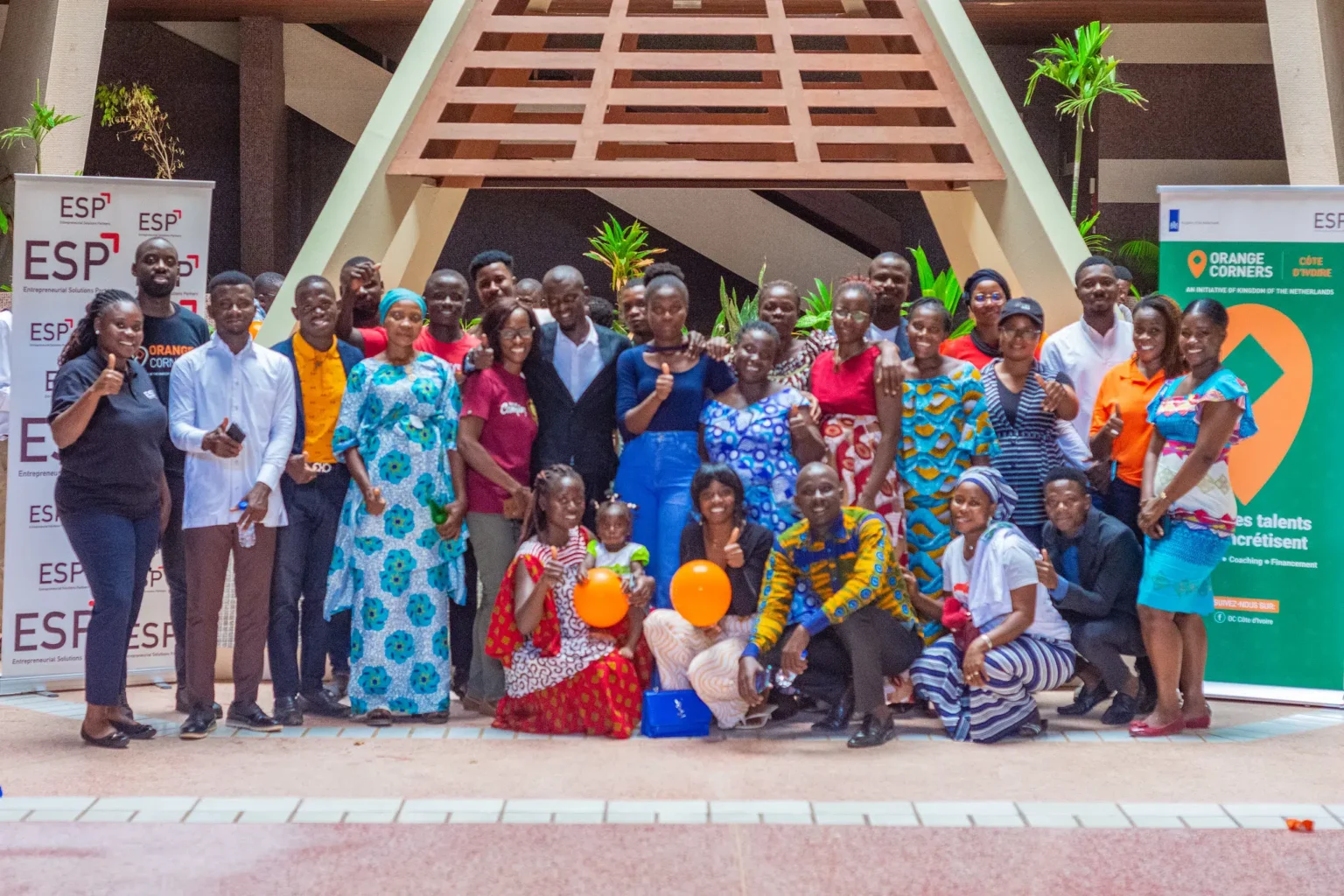
esp

ESP Climate Hub: Mainstreaming regeneration in African Business Support

In order to accelerate the deployment of regenerative urban ecosystems, Regenopolis partnered with ES Partners to design a dedicated program embedding climate and nature considerations into the heart of SME support in Africa. Initially envisioned as a platform to catalyze regenerative city projects, this collaboration evolved into the creation of the ESP Climate Hub – a transversal initiative aiming to mainstream climate resilience, nature-positive development, and regenerative practices across all ESP activities.

Read this case study

700’000 heures impact morocco 1

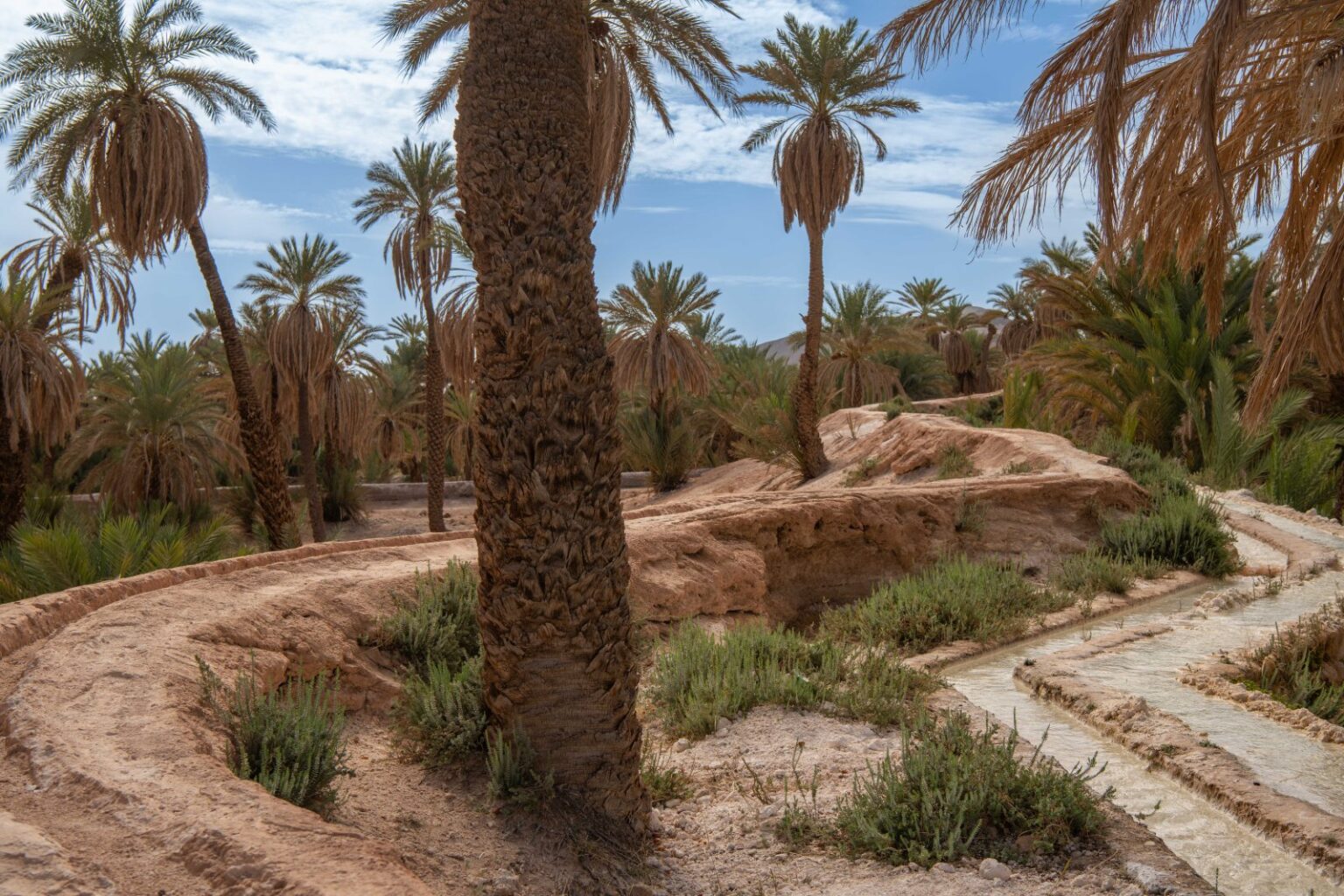
700’000 heures Impact: Pioneering Regenerative Hospitality

700’000 heures Impact is a transformative hospitality initiative co-founded by Thierry Teyssier (700’000 heures) and Diane Binder (Regenopolis), designed to harness the power of hospitality as a force for regeneration. Combining immersive, ultra-curated guest experiences with systemic place-based development, it redefines luxury through simplicity, connection, and purpose, while preserving natural ecosystems, safeguarding cultural heritage, and revitalizing local economies in remote and often overlooked regions.

Read this case study

unlocking pathways for land restoration in the sahel 2

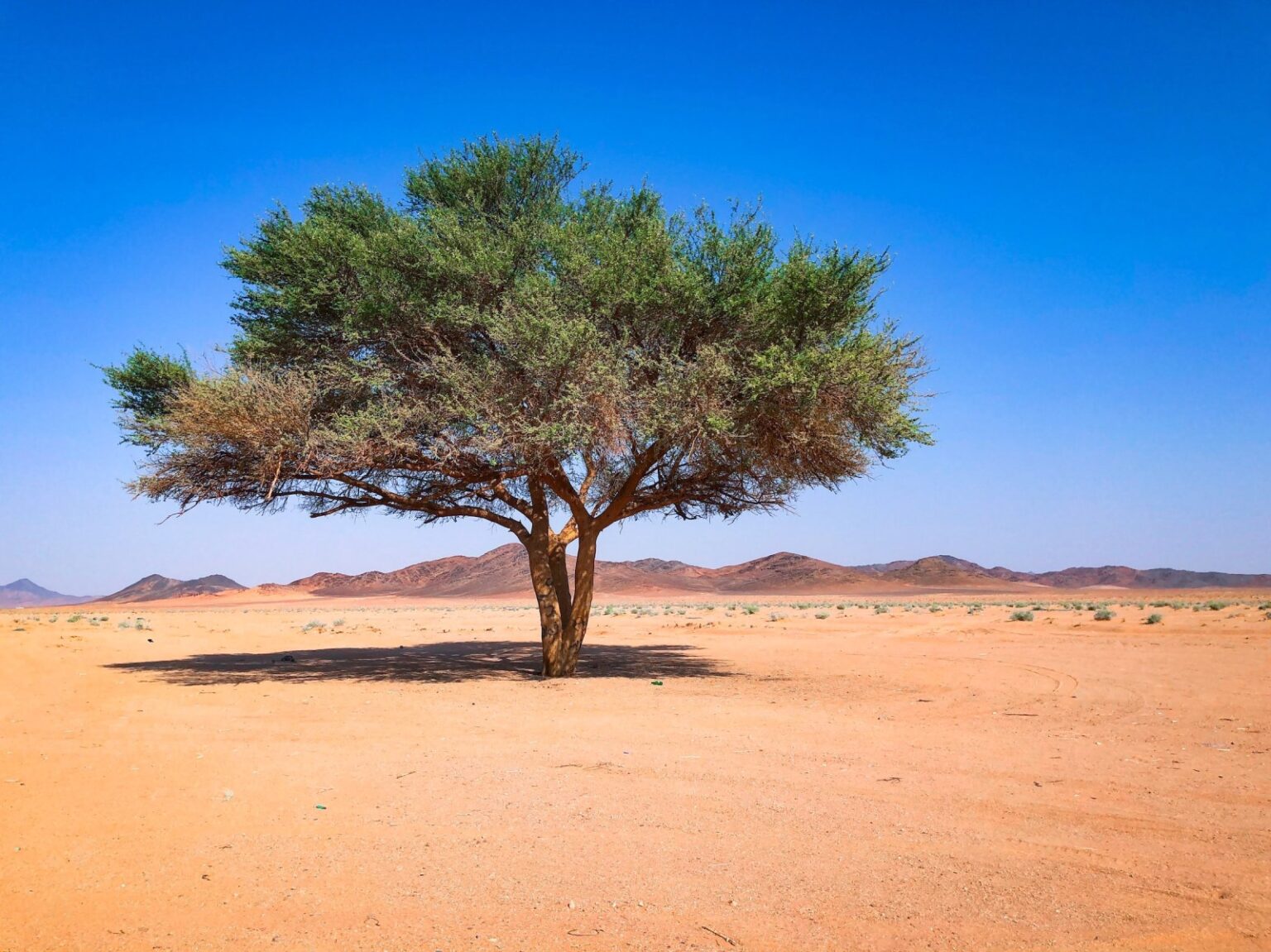
Unlocking pathways for land restoration in the Sahel

Regenopolis, commissioned by the World Economic Forum’s 1t.org initiative, conducted a strategic assessment to develop commercially viable pathways for land restoration in the Sahel. This project aimed to enhance tree-based agricultural value chains, supporting the African Union’s Great Green Wall initiative in ecological restoration, climate resilience, and local development.

Read this case study

Join the place-based regeneration movement