Ibiti Projecto: Rewilding a 6,000 hectares forest through hospitality

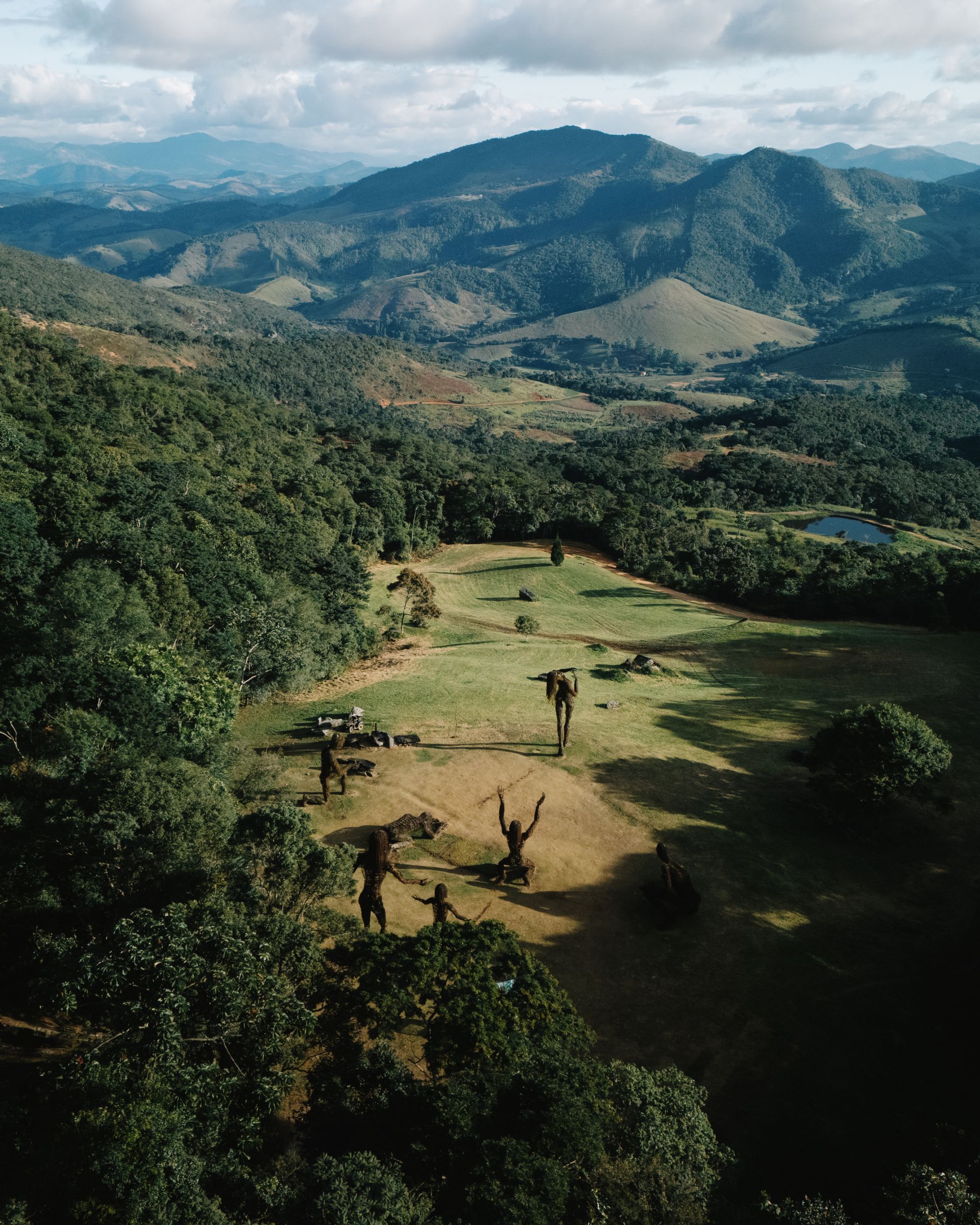
1. estatuas

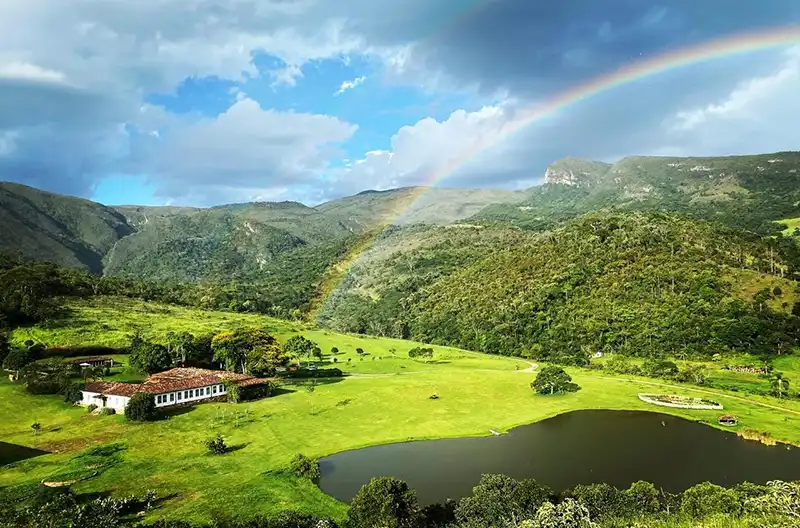
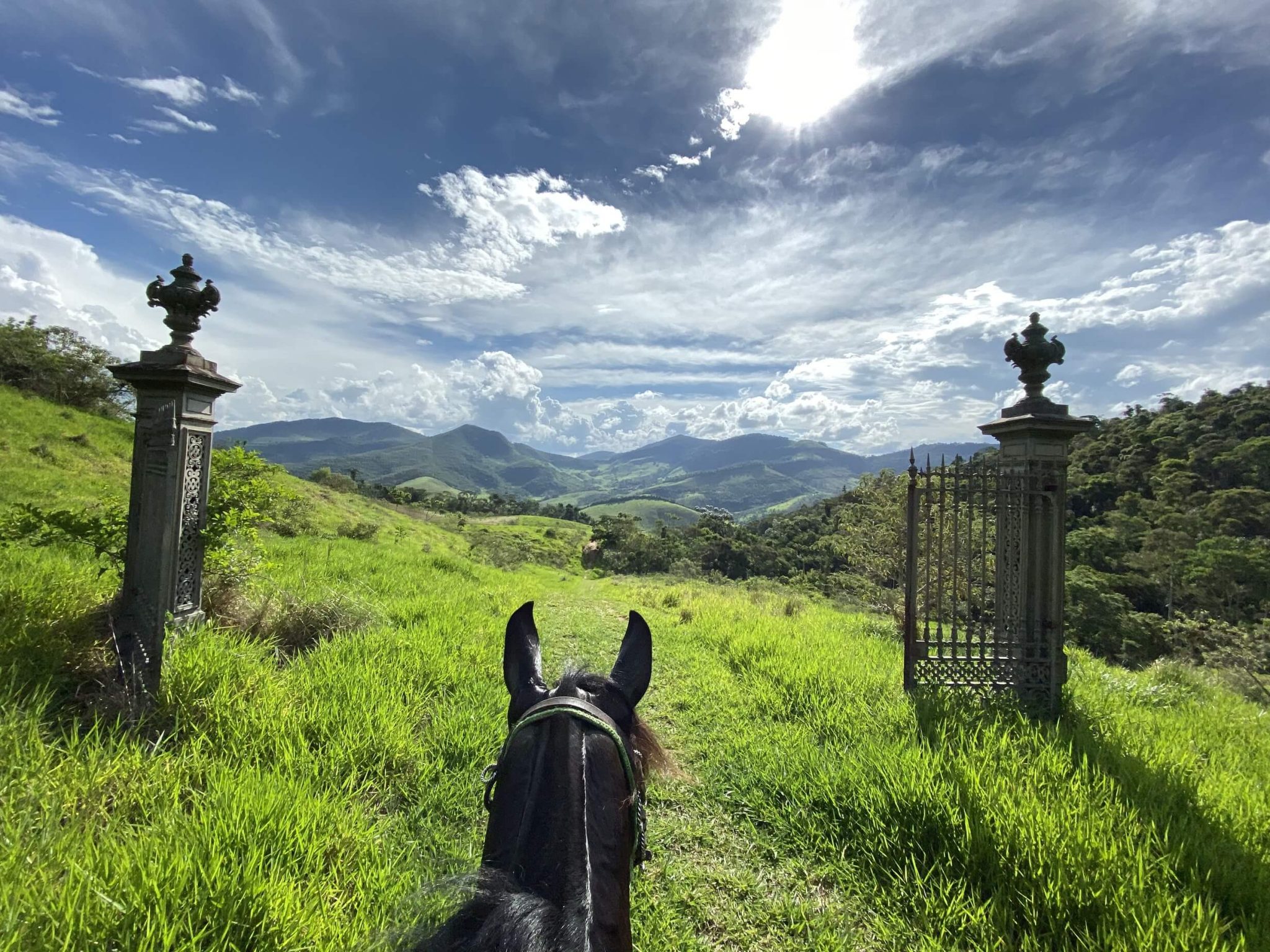
Ibiti Projecto is a socio-environmental project focused on another way of inhabiting the planet, respectful and regenerative. Here, immersive and authentic hospitality serves a wider project: rewilding of 6,000 hectares, reintroduction of endangered species, sustainable production of organic food and the revival of a rural community. Premium eco-tourism experiences are transformative both to the travelers and to the place). Ibiti Projecto is a testimony that authentic place-based development can generate measurable social and environmental impact as well as financial returns.

Challenge

To establish IbiLand as the first Living Lab in a global regenerative hospitality movement – a demonstrator of how hospitality can be a catalyst for regeneration of ecosystems, culture and communities, as well as a driver for inclusive prosperity. The Lab will be a learning and prototyping space to co-create methods and replicate net-positive hospitality practices worldwide.

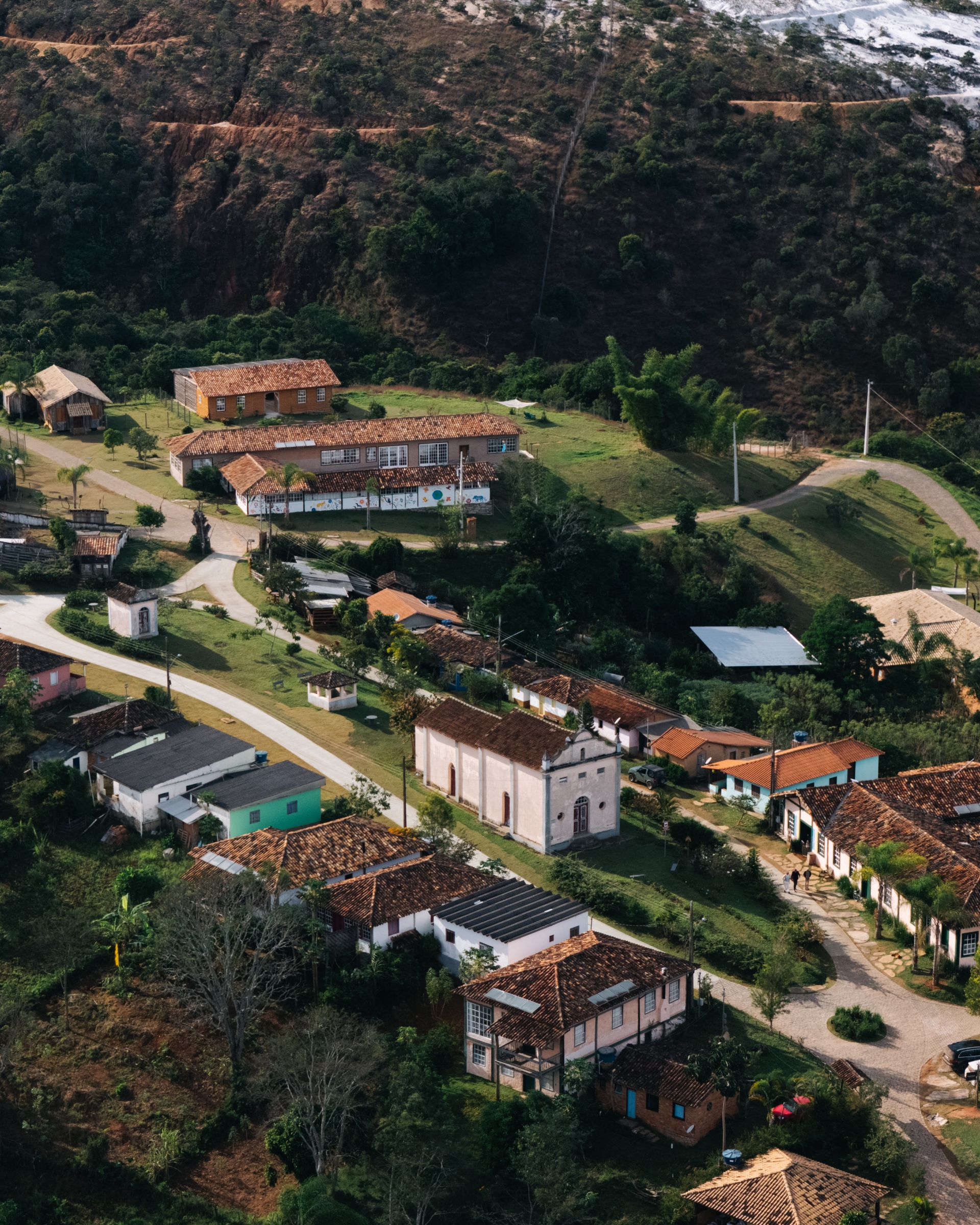
2 vila do mogol

How Regenopolis helped

Approach

  • Co-design regenerative hospitality practices: prototyping regenerative practices on various components such as food, land restoration, culture and livelihoods
  • Build ecosystem of partners: mobilize and engage with international partners to accelerate and amplify
  • Learn & Share: develop toolkits, case studies and open-source methodologies towards replicable models; amplify, advocate and share stories.
3 engenho

Our partners

Our impact

The project resulted in significant outputs and outcomes

icone 1 regenopolis

test

Ongoing
icone 1 regenopolis

test

Ongoing
icone 1 regenopolis

test

Ongoing
4 passeio a cavalo

Case studies

Rows of wooden posts and trellis wires run through a vineyard filled with lush green cover crops, including purple phacelia flowers and white-flowering plants. Beyond, rolling vineyards stretch across a wide valley toward a small village and a forested ridge under a clear blue sky with thin wispy clouds.

Regenerating a Champagne House: Reimagining its role within a changing region

A renowned Champagne house commissioned Regenopolis with the Regen Studio to explore how it could move beyond conventional sustainability and develop a place-based regeneration agenda—one capable of strengthening the house, its territory and the wider Champagne region.

The ambition was not simply to reduce environmental impact, but to understand how the house could use its heritage, influence and relationships to help regenerate the living system upon which its future depends.

Read this case study

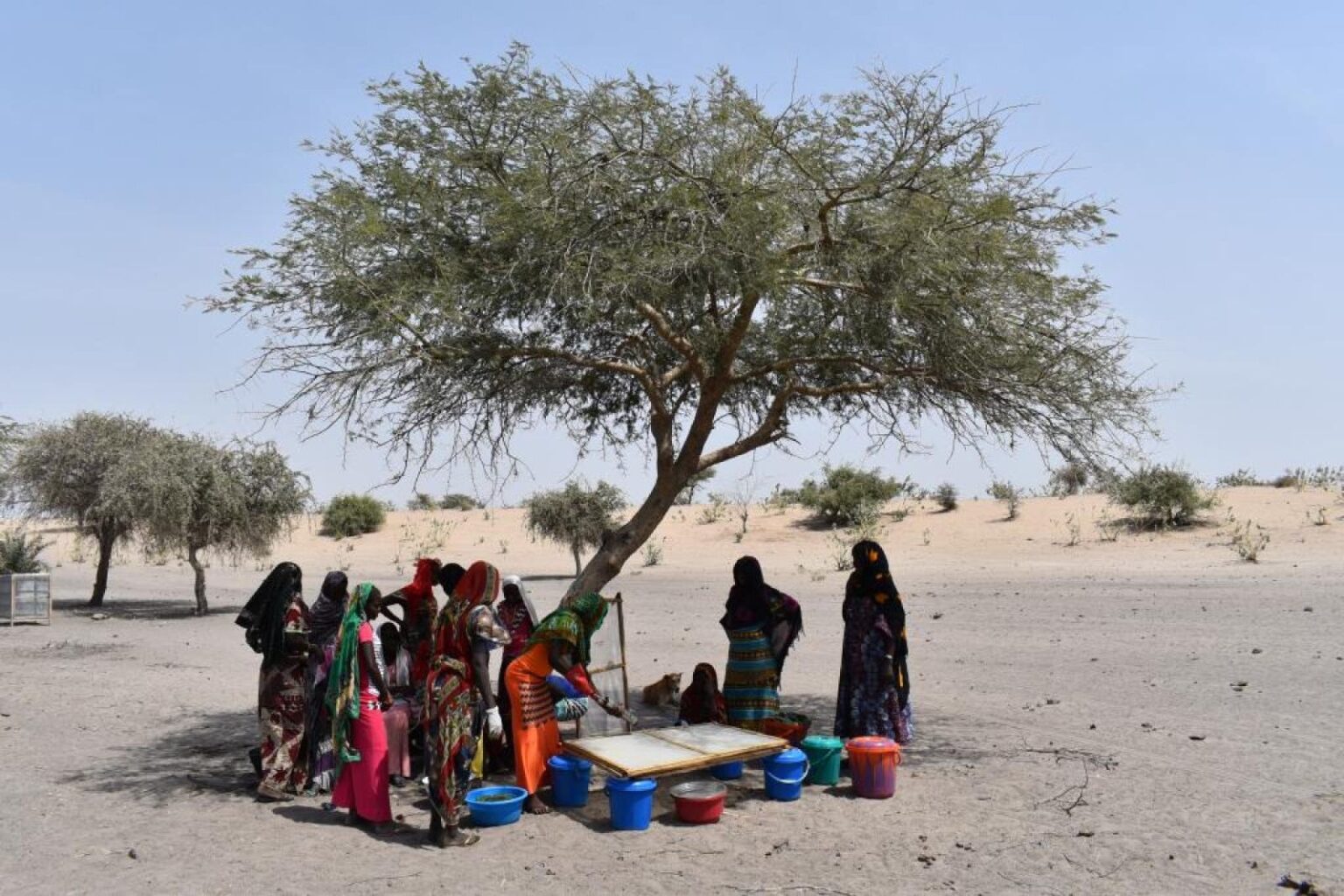
women harvesting spirulina copyright gcca+ credit denis sassous

WB Rural Logistics: Decarbonizing Rural logistics in the Sahel

Commissioned by the World Bank, this one-year regional study aimed to assess the enabling environment for scaling rural logistics systems that are both climate-resilient and low-carbon. Regenopolis, in partnership with GRID Engineers and ES Partners, delivered a deep-dive analysis of rural transport infrastructure and accessibility across Senegal, Mauritania, Burkina Faso, Chad, and Niger, with a focus on linking logistics planning to the growth of local agricultural value chains and inclusive development in fragile, climate-vulnerable areas.

Read this case study

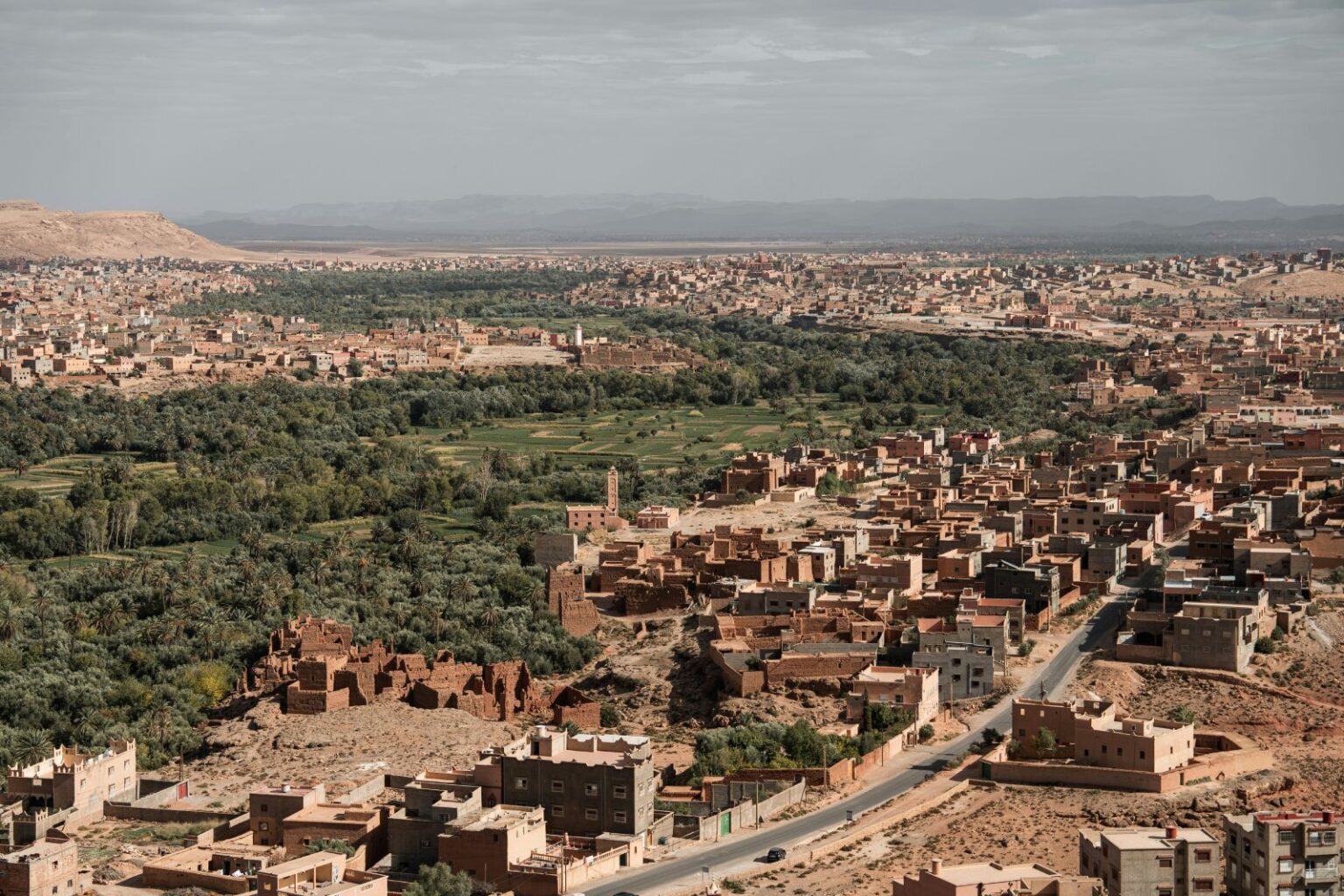
ahmed ptjy1sv7tbw unsplash (1)

Regen Cities: A systemic framework for regenerative urban development

Regen Cities is a flagship program developed by Regenopolis in 2022 to support the emergence of regenerative urban ecosystems across Africa. It aims to bridge the gap between impactful local solutions and investment capital by building enabling infrastructure for project origination, incubation, and financing. The program is structured around three integrated pillars : Regen Hubs (local project incubators), Regen Tech (access to vetted solutions), and Regen Capital (a blended finance platform).

Read this case study

Join the place-based regeneration movement