WB Rural Logistics: Decarbonizing Rural logistics in the Sahel

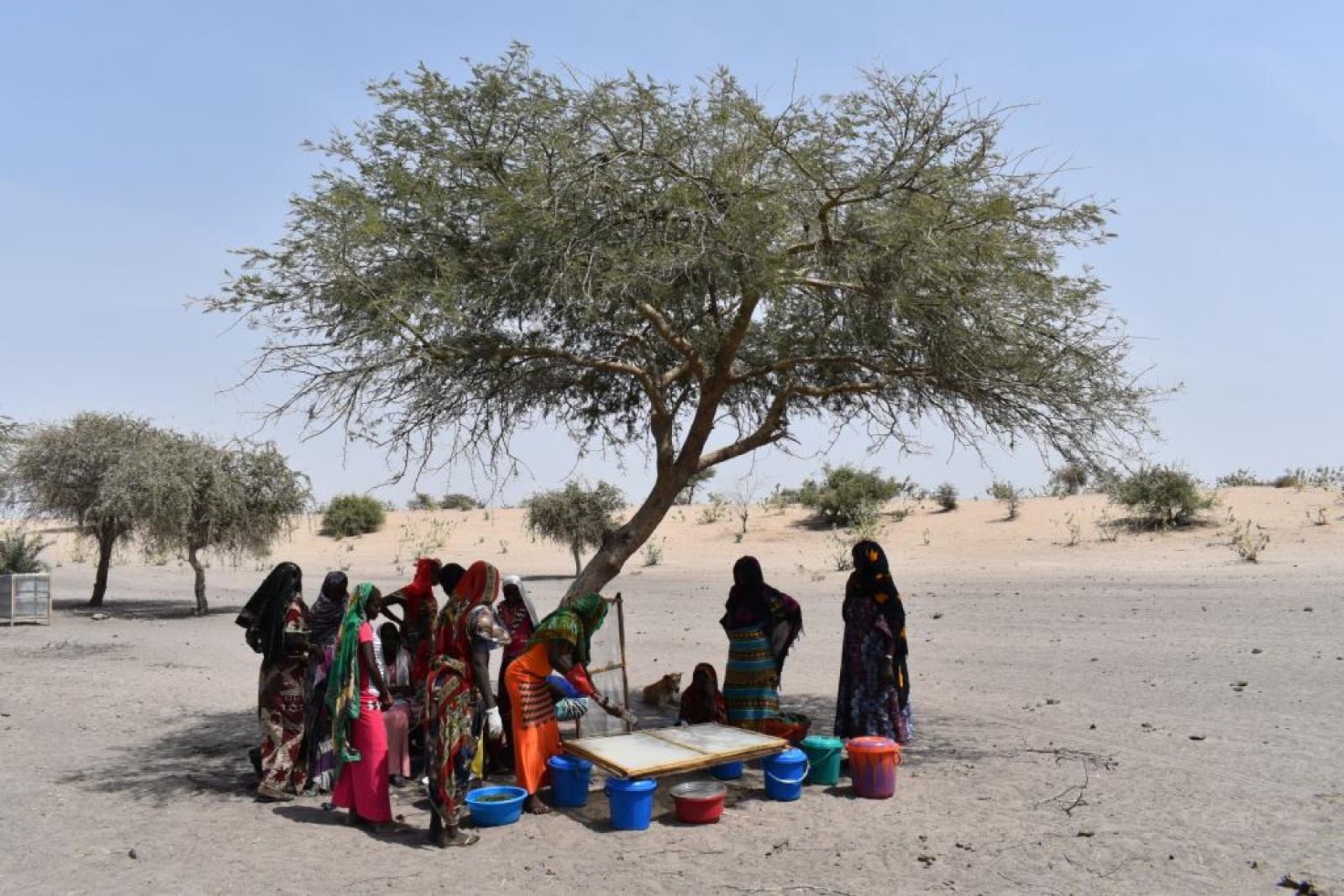
women harvesting spirulina copyright gcca+ credit denis sassous

Commissioned by the World Bank, this one-year regional study aimed to assess the enabling environment for scaling rural logistics systems that are both climate-resilient and low-carbon. Regenopolis, in partnership with GRID Engineers and ES Partners, delivered a deep-dive analysis of rural transport infrastructure and accessibility across Senegal, Mauritania, Burkina Faso, Chad, and Niger, with a focus on linking logistics planning to the growth of local agricultural value chains and inclusive development in fragile, climate-vulnerable areas.

Challenge

Across the Sahel, the lack of rural connectivity, poor transport infrastructure, and fragmented logistics ecosystems act as major bottlenecks to economic development, food security, and market access. In parallel, the region is increasingly impacted by extreme climate hazards – droughts, floods, heatwaves – and fragility risks. Against this backdrop, the World Bank sought to identify investment pathways that would support rural access and supply chain development while aligning with national climate commitments and regional integration goals. This project built on prior Regenopolis-led work on regenerative value chains and was designed to inform a new generation of World Bank interventions in rural logistics.

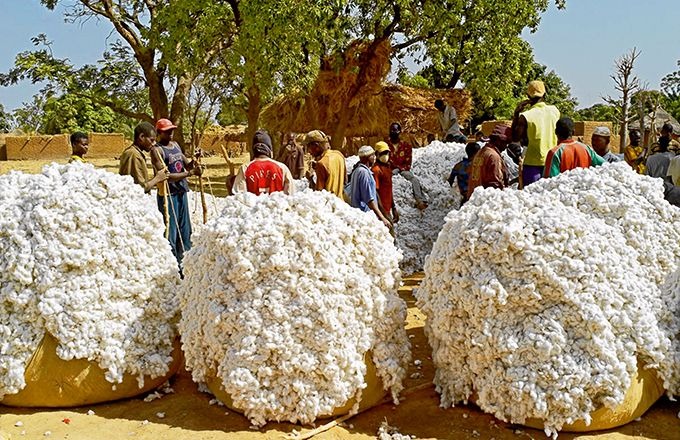
des producteurs de leo au sud ouest du burkina faso source afrique agriculture (1)

How Regenopolis helped

Approach

  • Deep-dive diagnostics of logistics infrastructure, services, and governance in 5 countries
  • Field surveys and consultations with farmers, cooperatives, traders, and local authorities
  • Identification of key agricultural and pastoral value chains and their spatial distribution
  • Assessment of climate risks to infrastructure and supply chains under multiple scenarios
  • Evaluation of institutional gaps, operational inefficiencies, and cost structures
  • Proposal of investment packages to enhance rural access while reducing GHG emissions
  • Integration of resilience, decarbonization, and food security into strategic planning
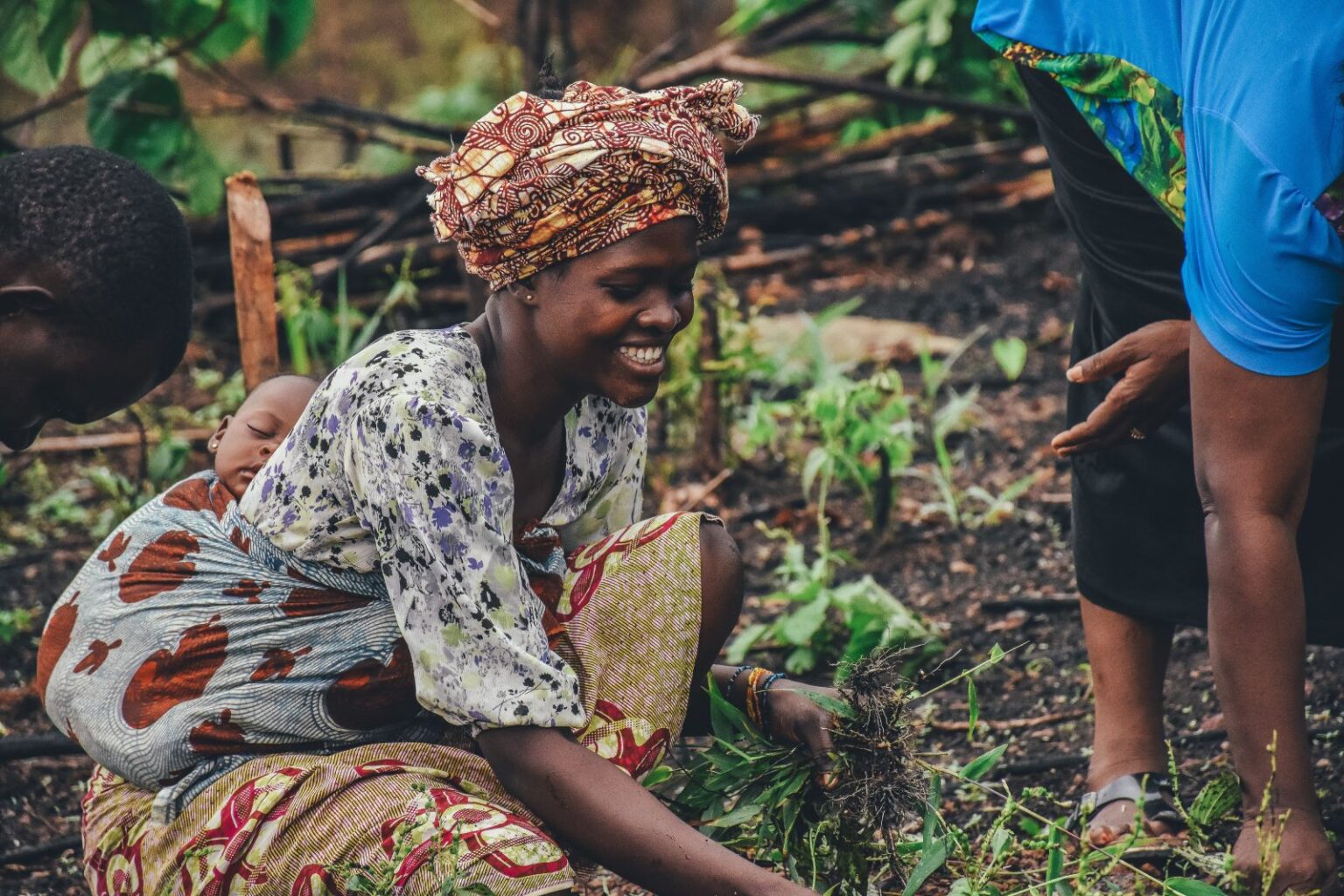
spirulina ladies harvesting spirulina from lake boudou andja. (photos by marzio marzot from the fao report the future is an ancient lake, 2004) (1)

Our partners

Our impact

The project resulted in significant outputs and outcomes

icone 1 regenopolis

Detailed country reports

submitted to the World Bank
icone 1 regenopolis

Strategic investment frameworks

including infrastructure priorities and value chain-specific logistics upgrades (e.g., cold storage, collection hubs, multi-modal transport)
icone 1 regenopolis

Scenario-based economic appraisals

Scenario-based economic appraisals comparing business-as-usual, low-carbon, and net-zero trajectories
icone 1 regenopolis

GIS-based mapping and toolkits

to inform future decision-making across Sahelian transport corridors
icone 1 regenopolis

Contributions to the World Bank’s

broader Sahel transport strategy and project pipeline
yoel winkler bskao5691ma unsplash (1)

Case studies

alliance for the ggw 2

The Alliance for the Great Green Wall

Launched in January 2023 at the World Economic Forum in Davos, the Alliance for the Great Green Wall was a bold initiative spearheaded by Regenopolis. It aimed to create a collaborative platform of mission-aligned organizations to unlock the untapped potential of regenerative value chains across the Sahel, by directly supporting ecopreneurs and linking them to global markets. The Alliance sought to become a service ecosystem bridging local regenerative efforts with global capital, expertise, and corporate demand.

Read this case study

Rows of wooden posts and trellis wires run through a vineyard filled with lush green cover crops, including purple phacelia flowers and white-flowering plants. Beyond, rolling vineyards stretch across a wide valley toward a small village and a forested ridge under a clear blue sky with thin wispy clouds.

Regenerating a Champagne House: Reimagining its role within a changing region

A renowned Champagne house commissioned Regenopolis with the Regen Studio to explore how it could move beyond conventional sustainability and develop a place-based regeneration agenda—one capable of strengthening the house, its territory and the wider Champagne region.

The ambition was not simply to reduce environmental impact, but to understand how the house could use its heritage, influence and relationships to help regenerate the living system upon which its future depends.

Read this case study

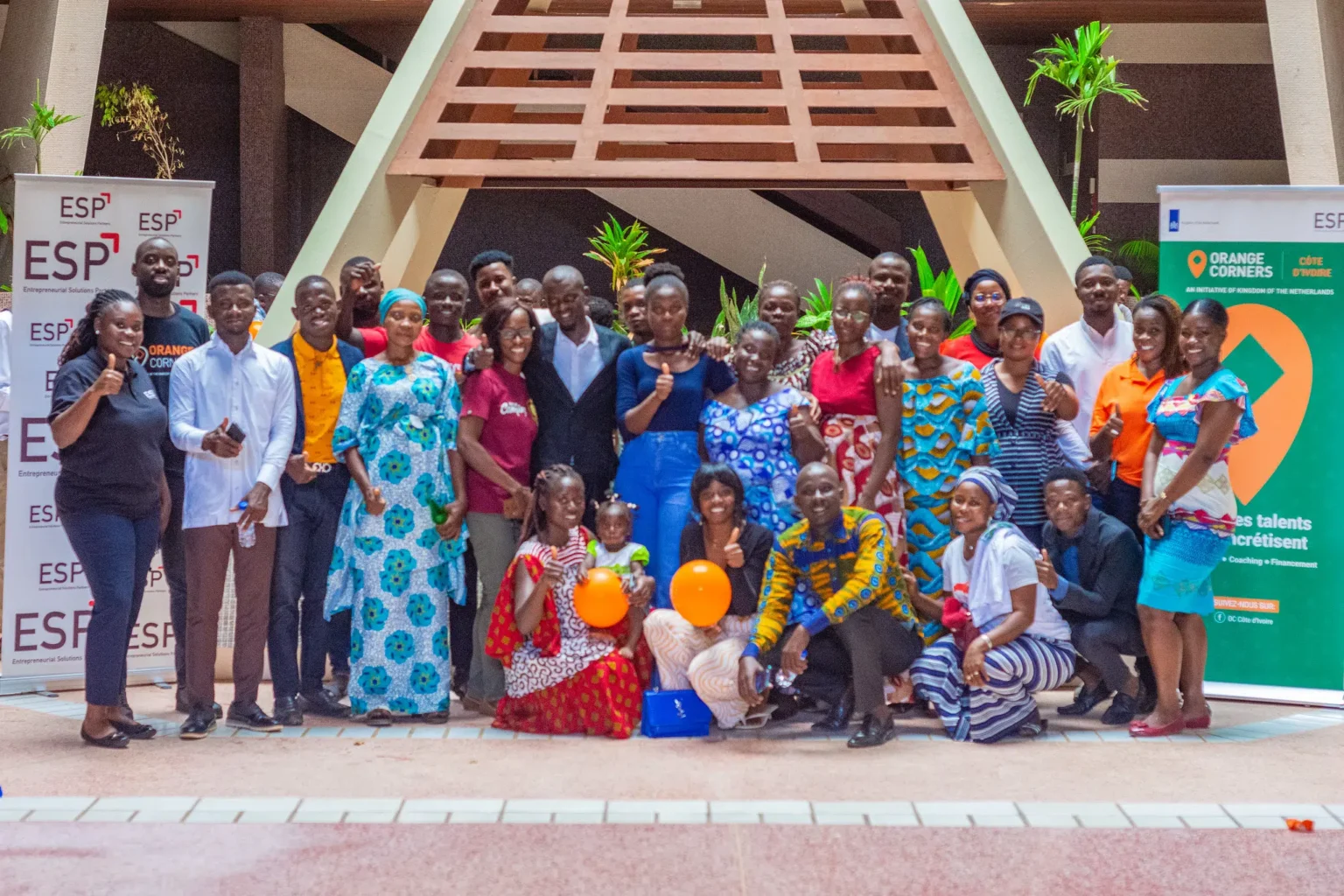
esp

ESP Climate Hub: Mainstreaming regeneration in African Business Support

In order to accelerate the deployment of regenerative urban ecosystems, Regenopolis partnered with ES Partners to design a dedicated program embedding climate and nature considerations into the heart of SME support in Africa. Initially envisioned as a platform to catalyze regenerative city projects, this collaboration evolved into the creation of the ESP Climate Hub – a transversal initiative aiming to mainstream climate resilience, nature-positive development, and regenerative practices across all ESP activities.

Read this case study

Join the place-based regeneration movement