Unlocking pathways for land restoration in the Sahel

intro image unlocking pathways for land restoration in the sahel

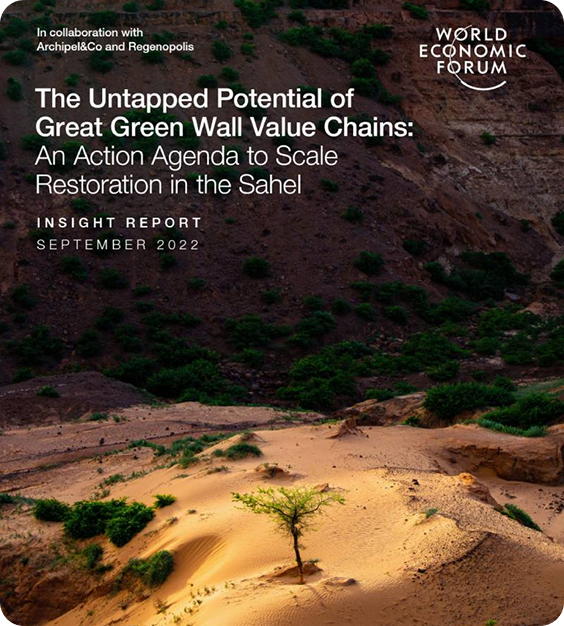
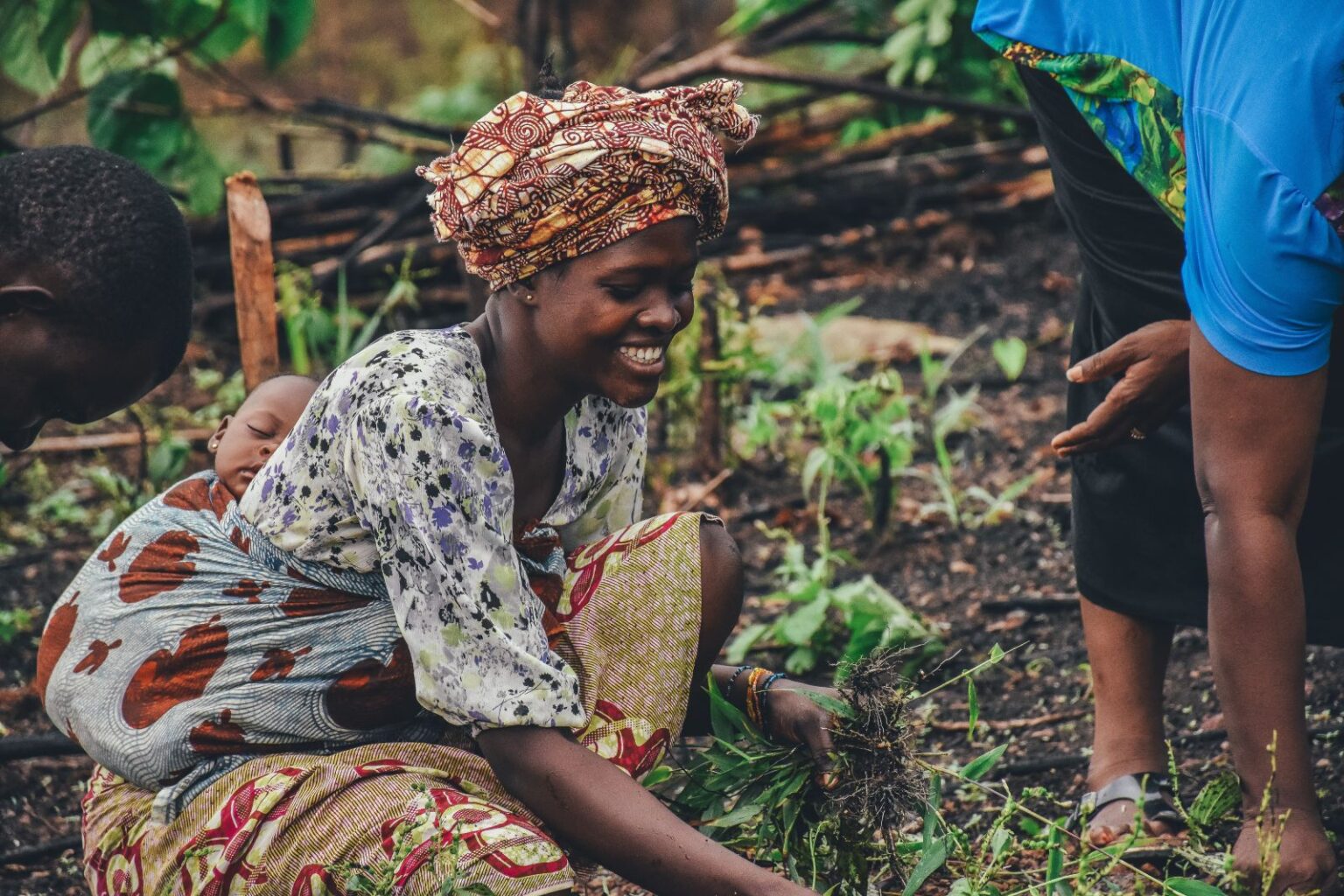
Regenopolis, commissioned by the World Economic Forum’s 1t.org initiative, conducted a strategic assessment to develop commercially viable pathways for land restoration in the Sahel. This project aimed to enhance tree-based agricultural value chains, supporting the African Union’s Great Green Wall initiative in ecological restoration, climate resilience, and local development.

Challenge

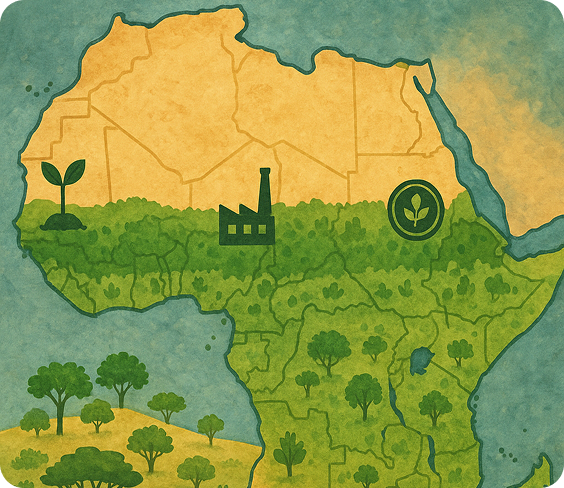
The Great Green Wall (GGW) initiative, spanning from Senegal to Djibouti, aims to restore 100 million hectares of land, sequester 250 million tonnes of carbon, and create 10 million jobs by 2030. Despite strong political backing and investment, progress has been hindered by ecological fragility, limited local value capture, and insufficient private sector involvement. The region’s potential for high-value tree crops with local and global market demand remains largely untapped, presenting an opportunity to merge regeneration with economic empowerment.


placeholder image 2

How Regenopolis helped

Approach

Led by the World Economic Forum’s 1t.org platform and in collaboration with Archipel&Co, Regenopolis played a central role in this strategic assessment. Our involvement included several key activities:

  • Mapping and prioritization of 20 tree crop value chains, focusing on 9 with the highest environmental, social, and market potential.
  • In-depth analysis of four flagship value chains: baobab, balanites, moringa, and shea.
  • Identification of barriers and levers to scaling, including regulatory, financial, technical, and ecosystem-wide factors.
  • Development of recommendations for multistakeholder partnerships, investment strategies, branding, and carbon finance.
  • Engagement with over 100 stakeholders, including SMEs, off-takers, research institutions, development finance institutions (DFIs), and government agencies.
placeholder image 3

Our partners

Our impact

The project resulted in significant outputs and outcomes

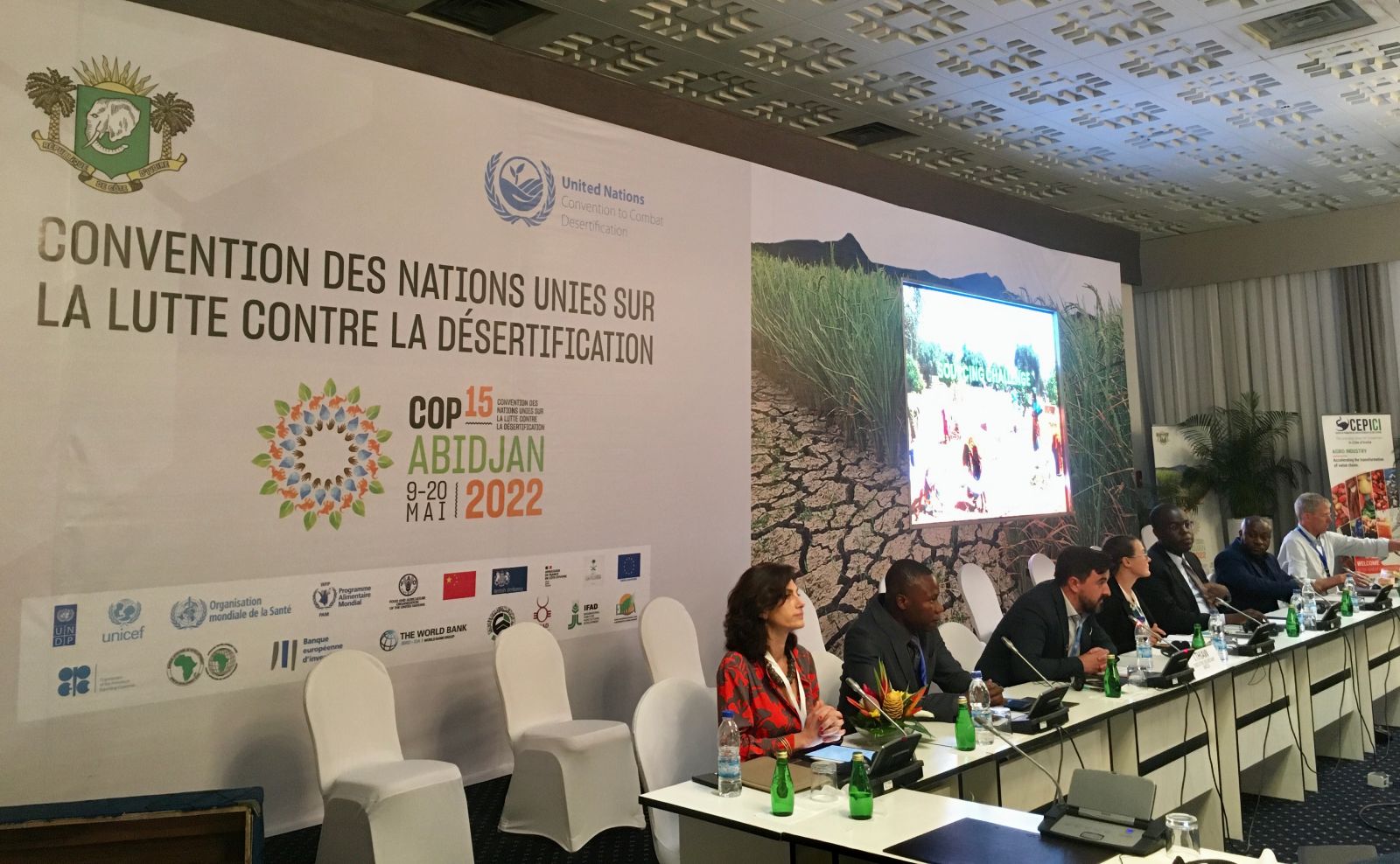
unccd cop 15 abidjan

Case studies

ahmed ptjy1sv7tbw unsplash (1)

Regen Cities : A systemic framework for regenerative urban development

Regen Cities is a flagship program developed by Regenopolis in 2022 to support the emergence of regenerative urban ecosystems across Africa. It aims to bridge the gap between impactful local solutions and investment capital by building enabling infrastructure for project origination, incubation, and financing. The program is structured around three integrated pillars : Regen Hubs (local project incubators), Regen Tech (access to vetted solutions), and Regen Capital (a blended finance platform).

Read this case study

700’000 heures impact morocco 1

700’000 heures Impact: Pioneering Regenerative Hospitality

700’000 heures Impact is a transformative hospitality initiative co-founded by Thierry Teyssier (700’000 heures) and Diane Binder (Regenopolis), designed to harness the power of hospitality as a force for regeneration. Combining immersive, ultra-curated guest experiences with systemic place-based development, it redefines luxury through simplicity, connection, and purpose, while preserving natural ecosystems, safeguarding cultural heritage, and revitalizing local economies in remote and often overlooked regions.

Read this case study

alliance for the ggw 2

The Alliance for the Great Green Wall

Launched in January 2023 at the World Economic Forum in Davos, the Alliance for the Great Green Wall was a bold initiative spearheaded by Regenopolis. It aimed to create a collaborative platform of mission-aligned organizations to unlock the untapped potential of regenerative value chains across the Sahel, by directly supporting ecopreneurs and linking them to global markets. The Alliance sought to become a service ecosystem bridging local regenerative efforts with global capital, expertise, and corporate demand.

Read this case study

Join the place-based regeneration movement