ESP Climate Hub : Mainstreaming regeneration in African Business Support

ajigah harrison do xbwvy3dc unsplash (1)

In order to accelerate the deployment of regenerative urban ecosystems, Regenopolis partnered with ES Partners to design a dedicated program embedding climate and nature considerations into the heart of SME support in Africa. Initially envisioned as a platform to catalyze regenerative city projects, this collaboration evolved into the creation of the ESP Climate Hub – a transversal initiative aiming to mainstream climate resilience, nature-positive development, and regenerative practices across all ESP activities.

Challenge

While cities are central to Africa’s development, they are also highly vulnerable to climate risks and ecological degradation. Small and medium enterprises (SMEs), which make up 95% of businesses in Sub-Saharan Africa, are the main economic actors in cities but remain largely excluded from the climate transition agenda. Regenopolis and ESP recognized the need to bridge this gap by equipping entrepreneurs and business ecosystems with the tools, knowledge, and capital to build regenerative, low-carbon, and inclusive urban futures.


lafrique cest le continent de demain

How Regenopolis helped

Approach

  • Initial co-design of a Regenerative Cities program and shared vision for a cross-cutting climate and nature platform
  • Strategic integration of regenerative approaches into ESP’s two main practice areas: Insights (research, policy, advisory) and Scale (entrepreneur support and ecosystem building)
  • Identification of three key sectors driving regenerative living:
    • Cities (“how we live” – water, energy, housing, mobility)
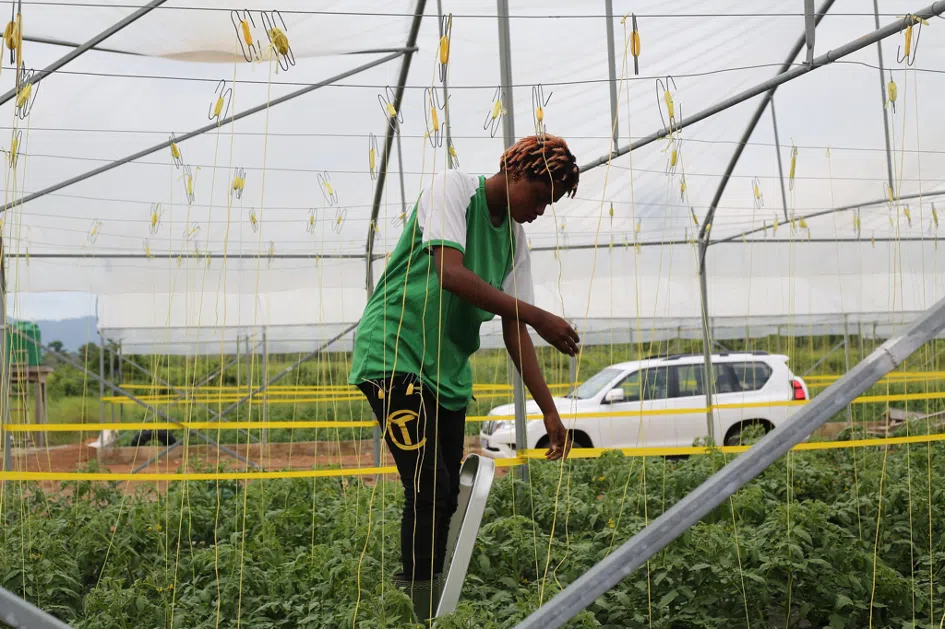
    • Food systems (“how we eat” – regenerative agriculture and value chains)
    • Tourism (“how we travel” – low-carbon, nature-positive hospitality)
  • Design of dedicated tools and methodologies (e.g. ESG assessment frameworks, capacity-building modules, impact tracking systems)
  • Design of ESP Climate Hub as a strategic pillar for systemic transformation across the continent
omotayo tajudeen zlznnis7edk unsplash (1)

Our partners

Our impact

The project resulted in significant outputs and outcomes

icone 1 regenopolis

Strategy design for the ESP Climate Hub, streamlining climate and nature-positive strategies across all programs

icone 1 regenopolis

Internal alignment within ESP to embed regenerative principles into SME support across multiple countries

icone 1 regenopolis

Identification of priority sectors and value chains to pilot regenerative approaches

icone 1 regenopolis

New visibility for climate-aligned entrepreneurship, and framing of ESP as a continental actor in Africa’s green transition

qwerqu mcbrew 2l3e gz8edw unsplash (1)

Case studies

regenerative hospitality retreat 1

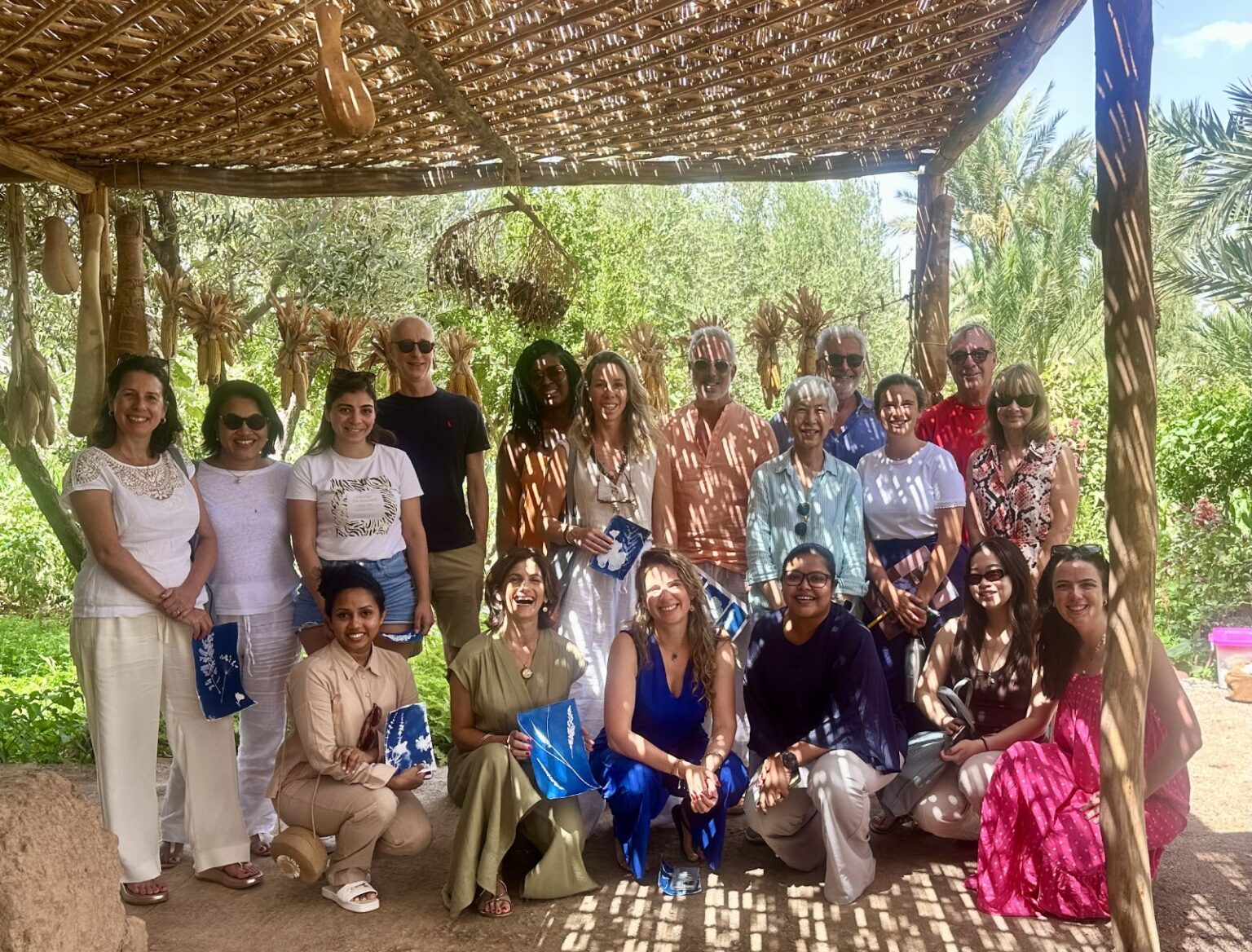
Regenerative Hospitality Retreat : Capacity building with 700’000 heures Impact and Dar Ahlam for independent hoteliers

Regenopolis partnered with Dar Ahlam to design and co-lead an immersive capacity-building retreat on regenerative hospitality independent hoteliers. Through a tailored one-day program and a 60-page workbook, selected hotel leaders were introduced to the mindset, tools, and frameworks needed to move beyond sustainability and embrace regeneration as a strategic pathway. The retreat fostered personal reflection, peer learning, and actionable strategies to support transformation across the SLH network.

Read this case study

unlocking pathways for land restoration in the sahel 2

Unlocking pathways for land restoration in the Sahel

Regenopolis, commissioned by the World Economic Forum’s 1t.org initiative, conducted a strategic assessment to develop commercially viable pathways for land restoration in the Sahel. This project aimed to enhance tree-based agricultural value chains, supporting the African Union’s Great Green Wall initiative in ecological restoration, climate resilience, and local development.

Read this case study

alliance for the ggw 2

The Alliance for the Great Green Wall

Launched in January 2023 at the World Economic Forum in Davos, the Alliance for the Great Green Wall was a bold initiative spearheaded by Regenopolis. It aimed to create a collaborative platform of mission-aligned organizations to unlock the untapped potential of regenerative value chains across the Sahel, by directly supporting ecopreneurs and linking them to global markets. The Alliance sought to become a service ecosystem bridging local regenerative efforts with global capital, expertise, and corporate demand.

Read this case study

Join the place-based regeneration movement